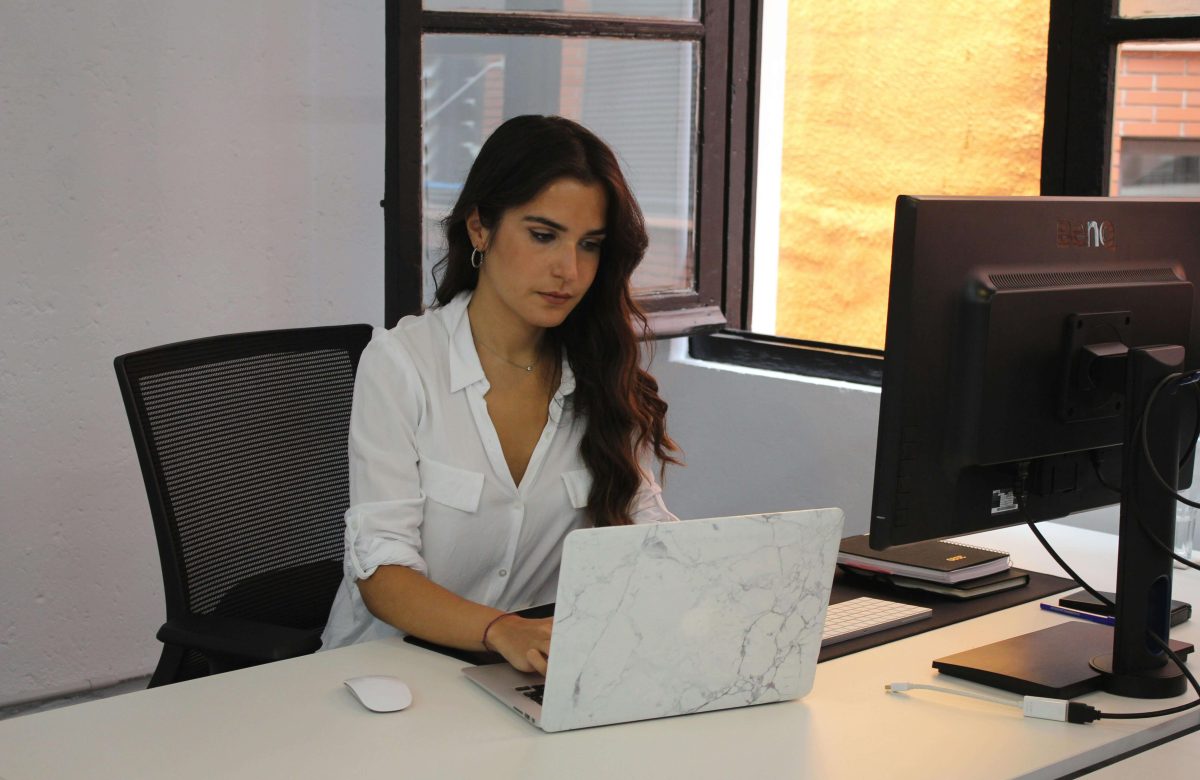
As the digital landscape rapidly evolves, Serbia’s IT sector is thriving, with the country becoming a key player in the global tech industry. However, the journey toward gender diversity in this space is still unfolding. Although significant progress has been made in recent years, women in IT in Serbia continue to face both opportunities and challenges. Looking ahead, the future of women in this sector offers great promise, but it requires deliberate actions to sustain momentum and ensure equal participation.
1. Growing Demand for Talent
The increasing demand for skilled professionals in Serbia’s IT industry presents a golden opportunity for women. With the sector experiencing growth, companies are eager to recruit more diverse talent to fuel innovation and drive competitiveness. This demand opens doors for women to enter and excel in tech roles, from software engineering to cybersecurity, helping to bridge the gender gap. As more companies recognize the value of diverse teams, women in IT will find new pathways to success.
2. Educational Shifts and Early Engagement
One of the key factors shaping the future of women in IT is the shift in education. There is a growing emphasis on encouraging girls to pursue STEM fields from a young age. Programs that promote coding, robotics, and digital literacy are gaining traction in schools, giving girls early exposure to the skills needed for a career in IT. This focus on education is essential for creating a pipeline of future female tech professionals, ensuring that women have the foundational knowledge and confidence to succeed in the industry.
3. Increasing Female Representation in Leadership
A promising trend for women in IT is the gradual increase in female representation in leadership roles. More women are taking on executive positions and leading projects in tech companies, helping to break the glass ceiling. As female leaders in Serbia’s IT sector rise, they are setting examples for younger women, proving that it is possible to not only participate in the industry but also lead it. This trend is likely to continue, with more women positioning themselves as influencers in the future of technology.
4. Entrepreneurship and Innovation
The entrepreneurial spirit of Serbian women is another promising factor for the future. Many are choosing to launch their own tech startups, taking advantage of the country’s dynamic ecosystem of incubators, accelerators, and venture capital. Women entrepreneurs in tech are not only contributing to economic growth but are also bringing fresh perspectives and ideas to the table. As more women break into the startup world, they will help diversify the types of innovation emerging from Serbia’s tech scene.
5. Policies Promoting Gender Inclusion
On a structural level, policies promoting gender inclusion in the workplace are gaining attention. Both public and private sectors are working to address gender disparities in the workforce through initiatives that support women’s careers. These include mentorship programs, flexible working arrangements, and parental leave policies that accommodate the needs of women balancing career and family. These policy shifts are crucial for creating a work environment where women can thrive without being forced to choose between personal and professional success.
6. Bridging the Skills Gap
One of the challenges that the future holds is bridging the skills gap that still exists for women in IT. While more women are entering the sector, they often face barriers to accessing advanced technical skills and training. The focus moving forward will need to be on providing women with equal opportunities to participate in professional development, upskilling, and certifications. By ensuring that women have the same access to learning and growth, the industry can empower them to take on high-demand roles and leadership positions.
7. Building Inclusive Tech Communities
A critical aspect of the future of women in IT is the development of inclusive tech communities. As more women enter the industry, fostering environments where they feel supported and valued is essential. Networking groups, mentorship circles, and professional associations are key to helping women navigate the challenges of the tech world. These communities provide not only guidance but also a sense of belonging, allowing women to build meaningful connections and share resources. The rise of such networks is a positive sign for long-term gender parity in tech.
8. Global Opportunities and Remote Work
The shift toward remote work and the global nature of IT present exciting prospects for Serbian women. With technology erasing geographical boundaries, women can now work for international tech firms or collaborate on global projects without leaving the country. This flexibility enhances their career prospects and opens up access to a wider range of opportunities, including roles in companies that actively prioritize diversity and inclusion.
9. Advocacy for Change
The future of women in IT also depends on continued advocacy for gender equality. Women in tech have been vocal about the need for systemic change, pushing for greater visibility, equal pay, and balanced opportunities. Advocacy efforts, both grassroots and institutional, will continue to play a key role in driving progress. By maintaining momentum and challenging outdated norms, women can ensure that their voices remain central to shaping the future of the tech industry in Serbia.
10. Looking Forward: A Collaborative Effort
The future of women in IT in Serbia will not unfold in isolation. It will require collaboration between the government, private companies, educational institutions, and tech communities. By working together to dismantle barriers, promote diversity, and offer equal opportunities, Serbia can create a thriving, gender-inclusive IT sector where women play a pivotal role. With the right support, the next decade could see a significant shift in the landscape, with women standing at the forefront of technological innovation and leadership.
Conclusion
The future of women in IT in Serbia holds immense potential, driven by increasing educational initiatives, supportive policies, and a growing demand for diverse talent. While challenges remain, including the skills gap and persistent biases, the opportunities for women to excel and lead in tech are greater than ever. By fostering inclusive communities, encouraging entrepreneurship, and continuing to advocate for gender equality, Serbia’s IT sector is poised to become a model for diversity, innovation, and progress.